Courage with Purpose
Vishwas Nangre Patil
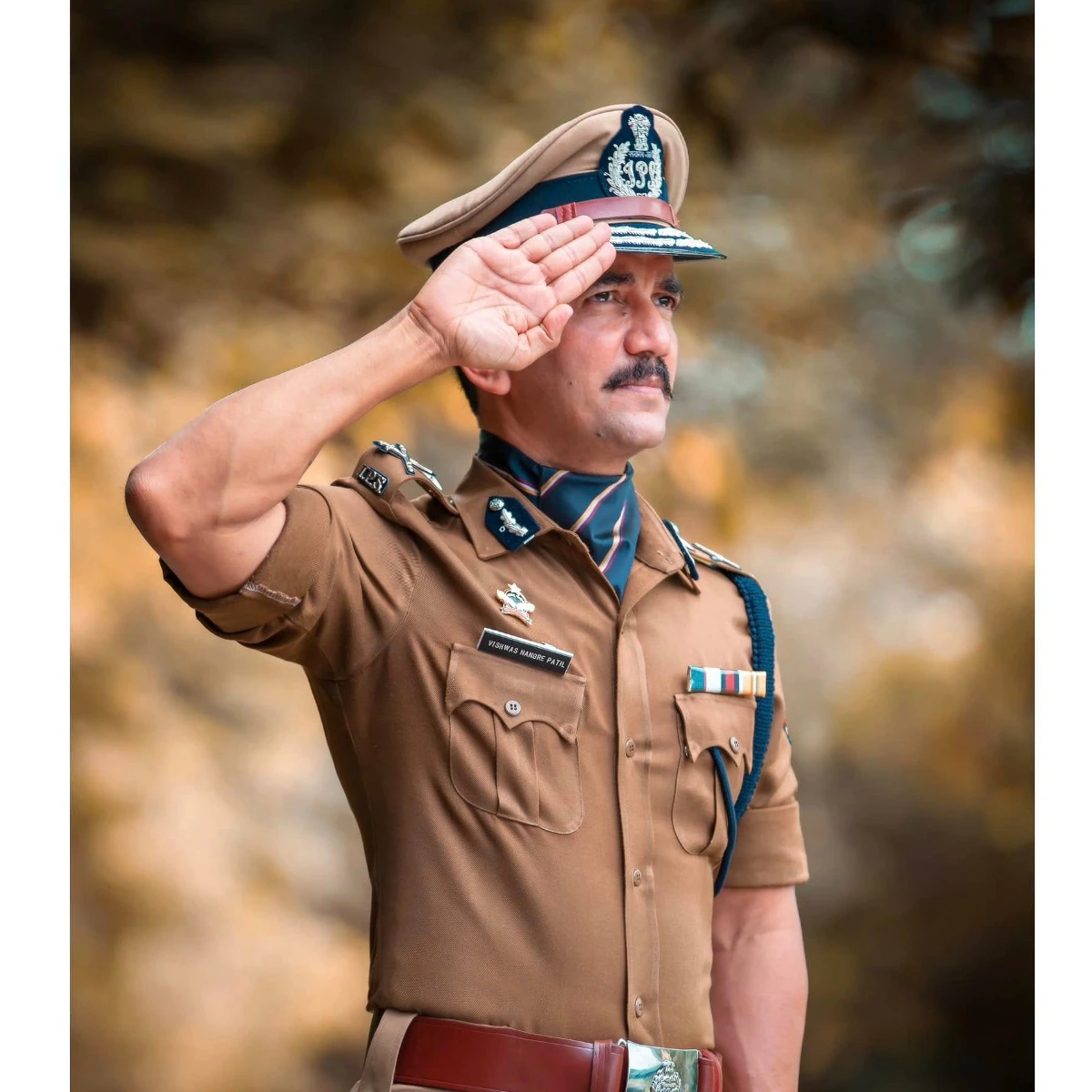
Editorial statement
Leadership is not only about authority. It is about responsibility.
This is the editorial position of this website. It is not a quotation, and it is not attributed to Vishwas Nangre Patil. What follows is his documented record.
The profile
Nearly three decades in the Indian Police Service.
Vishwas Narayan Nangre Patil is an officer of the Indian Police Service, 1997 batch, Maharashtra cadre. Since 29 June 2026 he has served as Commissioner of Police, Nagpur City. He was born on 1 June 1973 in Kokrud, a village in the Sangli district of western Maharashtra, into a farming family; his father served as the village sarpanch. He studied at Shivaji University, Kolhapur, and later at Osmania University, Hyderabad, before entering the service.
His postings span rural districts, police ranges and India's largest metropolitan force: Assistant Superintendent of Police in Dhule at the start of his career; Additional Superintendent of Police in Nanded; Superintendent of Police in Latur and later Thane Rural; Deputy Commissioner of Police for Zone 1 in south Mumbai; Additional Commissioner of Police for Mumbai's West Region; Special Inspector General of Police for the Aurangabad and Kolhapur ranges; Commissioner of Police, Nashik City; Joint Commissioner of Police (Law and Order), Mumbai; and Additional Director General of Police at the Maharashtra Anti-Corruption Bureau.
He is most widely known for the night of 26 November 2008. As Deputy Commissioner of Police for Zone 1 he was among the first officers to reach the Taj Mahal Palace Hotel during the coordinated attacks on Mumbai. In 2015 he was awarded the President's Police Medal for Gallantry for his part in the counter-terrorist operations of those days.
He is also an author. His Marathi memoir Mann Mein Hai Vishwas, written with Sadanand Borse and published by Rajhans Prakashan, was later published in English as Head Held High; a second title, Kar Har Maidan Fateh, followed.
At a glance
- Service
- Indian Police Service1997 batch, Maharashtra cadre
- Role
- Commissioner of Police, Nagpur CityCharge assumed 29 June 2026
- Experience
- Nearly three decadesDistricts, ranges and metropolitan commands across Maharashtra
- Leadership
- Range and city commandsAurangabad, Kolhapur, Nashik, Mumbai, Nagpur
- Recognition
- President's Police Medal for GallantryAwarded 2015, for the 2008 Mumbai counter-terrorist operations
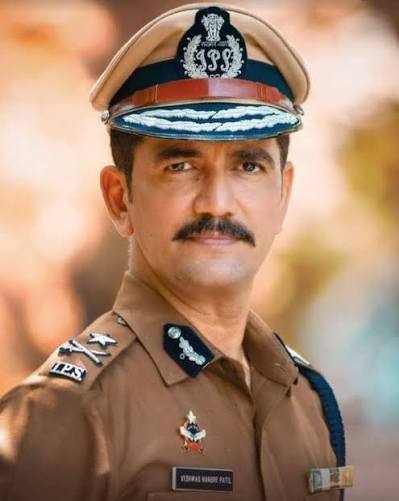
01 — The Person
A farming village in Sangli, and the examination that followed.
The beginning of this record is rural and specific. Kokrud is a village in Sangli district; the family farmed; the father held elected office as sarpanch. The route out ran through Shivaji University in Kolhapur and Osmania University in Hyderabad, and then through the civil services examination into the Indian Police Service.
That origin matters to how the career is read. Much of the work that followed took place in exactly the kind of district where it started — Dhule, Nanded, Latur — before it moved to the ranges and the metropolitan commands.
02 — The Journey
Twelve commands, one cadre, twenty-nine years.
-
i
The district years1997 — 2004
Assistant Superintendent of Police, Dhule. Additional Superintendent of Police, Nanded. Superintendent of Police, Latur.
-
ii
Mumbai, Zone 12008
Deputy Commissioner of Police for the zone covering south Mumbai, including the night of 26 November 2008.
-
iii
Range command2015 — 2019
Special Inspector General of Police for the Aurangabad range, and afterwards the Kolhapur range.
-
iv
City and state commands2019 — 2026
Commissioner of Police, Nashik City. Joint Commissioner of Police (Law and Order), Mumbai. Additional Director General of Police, Anti-Corruption Bureau.
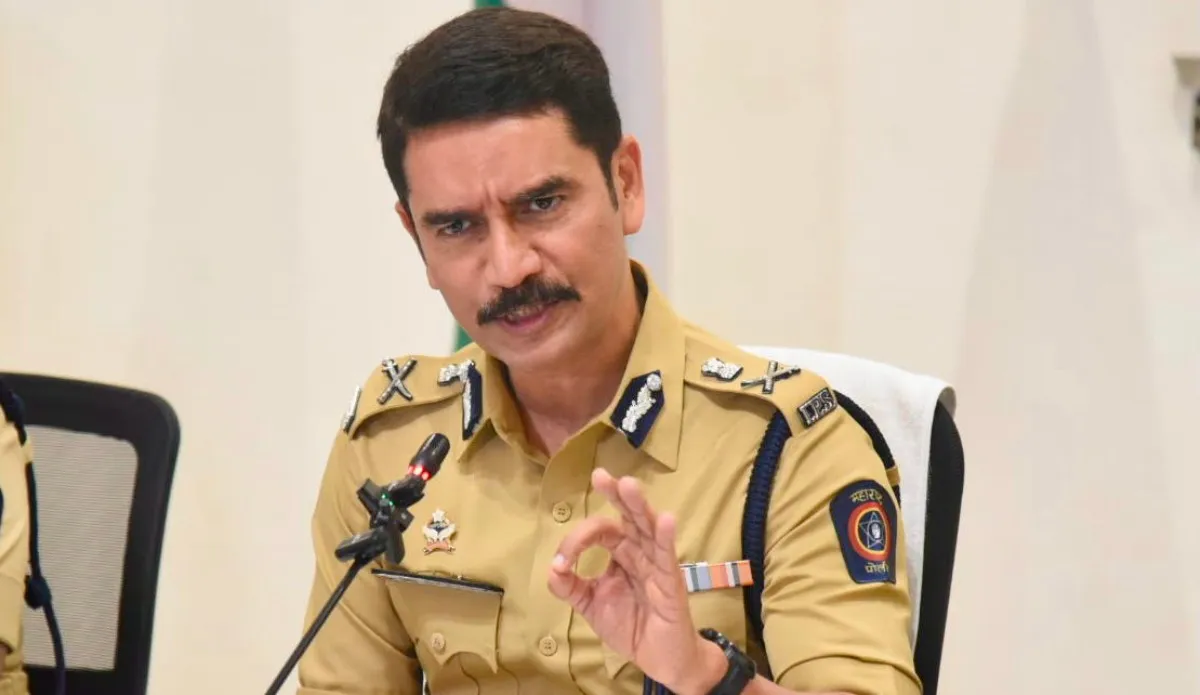
03 — The Responsibility
What a police command actually carries.
A commissionerate is an organisation before it is an idea. It holds law and order, investigation, traffic, crimes against women and children, cybercrime, personnel, and the readiness to respond when something goes wrong at scale. Each of the commands on this record carried some version of that load.
The public record of these postings — transfer orders, published action plans, press briefings — is what this site draws on. Where a contribution belongs to an institution rather than to one officer, it is described that way.
04 — The People
Where the institution meets the street.
Visibility
In August 2026 the Nagpur commissionerate set out to convert police chowkis into functioning mini police stations, so that beat officers work from them rather than merely report to them. “Beat policing has to become the backbone of policing,” the Commissioner told reporters.
Reach
The same plan attached each beat officer to a hundred-member neighbourhood group, alongside twenty smart police booths to be converted into pink booths for women's safety, and a Nirbhaya squad on the streets.
Trust
“Ordinary citizens should never fear the police. Only criminals should fear us,” he said on taking charge in Nagpur in June 2026 — a statement of intent, recorded here as such.
05 — The Impact
From an order on paper to something a city can feel.
Impact is the hardest thing to claim honestly in policing, because outcomes are collective and slow. The impact page therefore does something narrower and more useful: it takes the documented initiatives — the weekly criminal review parades introduced in Nagpur in July 2026, the crime action plan of August 2026, the Anti-Corruption Bureau's published caseload — and sets out, for each, the issue, the approach, the responsibility and the recorded result.
Where a result has not been published, this site says so rather than estimating one.
Read the record in full.
Eight pages, each with a distinct purpose: the person, the journey, the leadership themes, the service record, the documented impact, and the recognitions with their sources.